


Shining in History – Five Scottish Heroines

Shining in History – Five Scottish Heroines

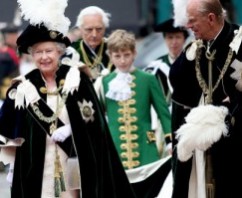
Upon the death of Scottish Doctor and Suffragist Elsie Inglis, Winston Churchill remarked that Inglis and her band of nurses would ‘shine in history’. From a Lady who raised rebel troops, to a seafaring businesswoman, here are five real-life heroines who have shone against the backdrop of Scottish history: Dr. Elsie Inglis – Surgeon and […]
Read More

Braveheart Impersonator Charged With Firearms Offences

Braveheart Impersonator Charged With Firearms Offences

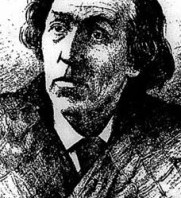
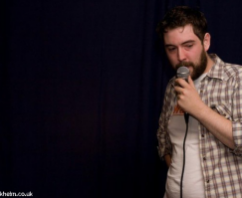
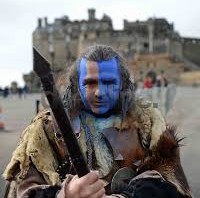
A Braveheart impersonator has been charged with firearms offences after police received a complaint about “a man with a blue face firing a gun”. Adam Watters, who performs dressed as William Wallace in Edinburgh’s tourist hotspots, insists that his weapons are blank-firing replicas and that he has been the victim of heavy-handed policing. Police in […]

Read More

Clan Douglas and The Battle of Ancrum Moor

Clan Douglas and The Battle of Ancrum Moor

In 1545 the aptly titled War of Rough Wooing was in full, ruthless swing. In order to gain Scotland’s allegiance to England, King Henry VIII employed the curious tactic of scorching and pillaging Scotland into submission. In retaliation, approximately 2,500 Scottish soldiers were raised by the Chief of Clan Douglas, Archibald Douglas 6th Earl of […]

Read More

Edinburgh and Glasgow’s Rivarly Began Over Bread

Edinburgh and Glasgow’s Rivarly Began Over Bread

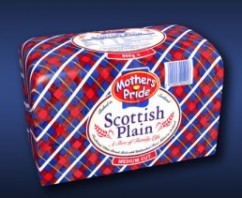
It has been recently suggested that the centuries-long rivalry between Scotland’s capital and Scotland’s largest city all started over bread. It seems to have begun in 1656 when the Glasgow town council spoke of their worries about the low quality of bread its local bakeries were producing, and two bakers from neighbouring Edinburgh cheekily offered […]

Read More

The Earl Haig – A Study in Controversy

The Earl Haig – A Study in Controversy

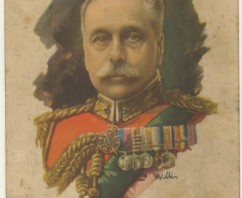
Field Marshal, the Earl Haig was born in Edinburgh’s Charlotte Square in 1861 and would gain fame and noteriety as the Supreme Commander of the British Forces during the First World War. Haig replaced Sir John French in 1916 as the conflict deteriorated into a war of attrition. At this time, the French were under severe pressure at the Battle of Verdun, so Haig launched the Somme offensive to drive back the German army. The battle lasted a little over 4 months, by which time the casualty figures had exceeded a million. Little gain was made, and Haig and his generals were blamed in many quarters for their ineptitude, and Haig himself became known as the Butcher of the Somme. A year later at the Battle of Passchendaele, huge losses for little success was repeated, but both battles had severely damaged the German army and their resilliance. In November 1918 Haig made the final breakthrough and effectively won the war.

Following the war, Sir Douglas Haig was promoted to the peerage as the Earl Haig; he was then instrumental in setting up the British Legion and the Poppy Appeal – two institutions with the purpose of raising funds and providing help and welfare for soldiers and their families, which is very much the legacy of this most controversial of Scotsmen.

Read More