


The Gaelic Calendar

The Gaelic Calendar

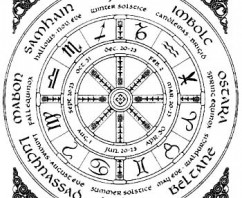
The Gaelic language, spoken still today in the Highland and Islands, has a very descriptive way of explaining the seasons and months of the year based on observations that take us back thousands of years to our ancient past. The months of the year reflect important annual milestones, natural cycles and religious ritual; and were an intregal part of farming life. The article takes you through the year, the seasons and the meaning behind the months and a chance to glimpse the world through our forefathers eyes.
Read More

The Earl Haig – A Study in Controversy

The Earl Haig – A Study in Controversy

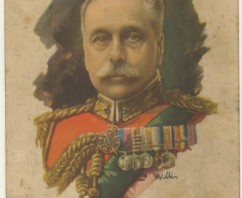
Field Marshal, the Earl Haig was born in Edinburgh’s Charlotte Square in 1861 and would gain fame and noteriety as the Supreme Commander of the British Forces during the First World War. Haig replaced Sir John French in 1916 as the conflict deteriorated into a war of attrition. At this time, the French were under severe pressure at the Battle of Verdun, so Haig launched the Somme offensive to drive back the German army. The battle lasted a little over 4 months, by which time the casualty figures had exceeded a million. Little gain was made, and Haig and his generals were blamed in many quarters for their ineptitude, and Haig himself became known as the Butcher of the Somme. A year later at the Battle of Passchendaele, huge losses for little success was repeated, but both battles had severely damaged the German army and their resilliance. In November 1918 Haig made the final breakthrough and effectively won the war.

Following the war, Sir Douglas Haig was promoted to the peerage as the Earl Haig; he was then instrumental in setting up the British Legion and the Poppy Appeal – two institutions with the purpose of raising funds and providing help and welfare for soldiers and their families, which is very much the legacy of this most controversial of Scotsmen.

Read More

The Great Wood of Caledon

The Great Wood of Caledon

For thousands of years the Scottish Highlands were covered in a forest known as the Great Wood of Caledon, an extension of the Eurasian Boreal Forest and the Wild Wood of folklore and legend. Today only fragments remain, isolated in the deepest reaches of the mountains, but exisit they do; and they offers us a glimpse into a lost world. The Caledonian Pineforest, is it is referred to today was systematically felled and burned over the last thousand years and today the remnants offer a last sanctuary for many rare and ellusive plants and animals, and are protected for the future. This is the story of that forest.

Read More

The Curious Case of Lord Home

The Curious Case of Lord Home

To many foreign observers the British political and parliamentary set up can seem a little bizarre: a sort of anachronistic parade of costume drama and archaic procedure. Our system relies on custom, often centuries old, and on checks and balances within the law. It is complex, full of pageantry and tradition; but it does work. […]

Read More

‘The Scottish Clans’ e-book now available from ScotClans

‘The Scottish Clans’ e-book now available from ScotClans

Do you have a kindle? Because ScotClans can now proudly present an e-book version of their extensive clan histories. ‘The Scottish Clans’ features brief histories of over 300 Clans and Armigerous families from all over Scotland. Discover the events that have shaped your Clan and hear about the people who form part of your Scottish […]

Read More

Travel guide warns Vikings of hostile Scottish natives

Travel guide warns Vikings of hostile Scottish natives

An Icelandic ‘travel guide’ from the 13th century gave warning to any Viking thinking of heading to ‘Skotland’ to do a bit of plundering that they should be wary of the aggressive natives with their incomprehensible language, and, of course, the country’s dreadful weather. This information was gathered from the experiences of a number of […]

Read More